
Your Guide to Minimizing Student Attrition and Planning for Post-Holiday Enrollment

As charter school leaders, we know the effort it takes to build strong, thriving school communities. But retention isn’t just about celebrating those who stay—it’s also about understanding why some don’t and making the changes needed to build trust and loyalty with families. Student persistence, or the ongoing commitment of students to remain enrolled and progress toward their goals, is at the heart of this work.
Over the years, we’ve learned that persistence has its own rhythm, with peaks of attrition occurring at predictable times:
- Summer: Students who don’t return after the break.
- Beginning of Year: Those who leave within the first grading period.
- Winter: Families who don’t return after the holidays.
As we approach the end of the semester, let’s dive into some strategies to prepare for potential winter attrition and set a solid foundation for next year’s enrollment.
Communicate Impact So Far and the Semester Ahead
Families feel a stronger connection when they understand the school’s vision, see their contributions recognized, and are reassured about improvements being made. Now is a perfect time to reinforce those bonds and build “brand” affiliation.
“When families see that we’re committed to their experience, not just their enrollment, it builds the trust needed for them to stay.” — Vanessa Barry
Start by celebrating the semester’s wins. A simple letter thanking your school community for their commitment and sharing a family-focused vision for the year is a great way to keep families informed and engaged. Recognize milestones, celebrate progress, and offer a glimpse of what’s ahead. People are more likely to stay when they see the path forward.
But don’t stop at broad updates—connect personally with your school’s culture champions: families and students who embody your values through strong attendance, resilience, and engagement. A simple note of appreciation can deepen their connection and reinforce their role in your community. To make this easier, we’ve teamed up with Mariposa Consulting Group to create the End of Semester One Messages to Reduce Attrition template, now available in the Seminar Toolbox.
Engage Families Who Are At-Risk
“Students struggling academically, socially, or with attendance are often the most vulnerable to leaving.” — Vanessa Barry
For some families, it’s not just the daily challenges that drive their decisions but broader concerns. Their child might be facing academic struggles, feeling socially isolated, or experiencing frequent absences, with little or no action taken to address these issues.
Data is your ally here. Look for patterns across academics, attendance, and engagement to identify students at risk. Then, set aside time to meet with these families.
Ask them about their experiences—what’s working, what isn’t, and how they feel about their place in your school community. Listen carefully, and offer targeted solutions where you can. Sometimes, a simple conversation is all it takes to show families that their concerns matter.
Lastly, follow up with families who have expressed dissatisfaction or frustration at any point during the semester. Whether or not their concerns have been fully resolved, this is an opportunity to acknowledge their experiences and check in on how the solution is progressing. For example, standard first-semester operational issues like long car lines or delayed medicine distribution from the nurse’s office might seem minor, but for families, they can be significant sources of frustration. Show them that you’re aware of their concerns and share the steps you’re actively taking to address these issues.
Address Student Loss
If you’re seeing students leave and need to fill seats—or expect to in the future—now is the perfect time to start preparing your January plan. It’s completely normal to feel worried about balancing the needs of this year and planning for the next, and that’s okay!
Consider using social media ads to promote your January enrollment. Showcase what makes your school special and let prospective families know you’re accepting new students. At the same time, streamline your enrollment process to make it as easy as possible—while still maintaining compliance requirements, of course. The simpler the process, the quicker you can fill those seats.
Don’t underestimate the value of a recapture strategy—reconnecting with families who left your school and inviting them back. Start by reviewing data to understand why they left, how long they were part of your community, and whether they’ve fully settled elsewhere. Families who spent more than a year with your school are likely to have an emotional connection through teachers they enjoyed or friends they made and may be willing to return if you can address their past concerns.
Showing families how you’ve grown and how their return could benefit their child is a powerful way to rebuild trust and re-establish your connection.
“To understand why families leave, we’ve had board members personally call families, introduce themselves, and gather honest feedback. This level of outreach not only gives us better insight but also makes families feel heard.” – Elizabeth Simpson, Executive Director, Compass Collegiate Academy
The Role of the CEO in Enrollment
Enrollment isn’t just the job of the enrollment team. As school leaders, it's our responsibility to establish and nurture this culture.
Start by setting clear, measurable goals. Make sure data is easy to access and transparent across all schools, grades, and networks. Set different targets based on past attrition rates, which will help you set more realistic expectations and create safety margins to account for potential losses throughout the entire enrollment cycle (Summer Melt, Applicant Melt, and In-Year Attrition).
Resource allocation is also another crucial piece. Use data to guide your decisions on where to invest—whether in marketing, team size, or process improvements. Which sources are driving your applications? Which strategies are effective, and which aren’t? Focus your investments where they’ll have the most impact, even if it means reallocating resources from less successful channels.
Finally, make enrollment part of your school’s culture. When everyone—teachers, administrators, and staff—sees themselves as part of enrollment, it becomes a shared priority. While one team may lead the effort, everyone should feel engaged and responsible for contributing to retention and enrollment.
“When retention is embedded in your strategic priorities, it’s not just an initiative—it’s who you are.” — Yeime Valle
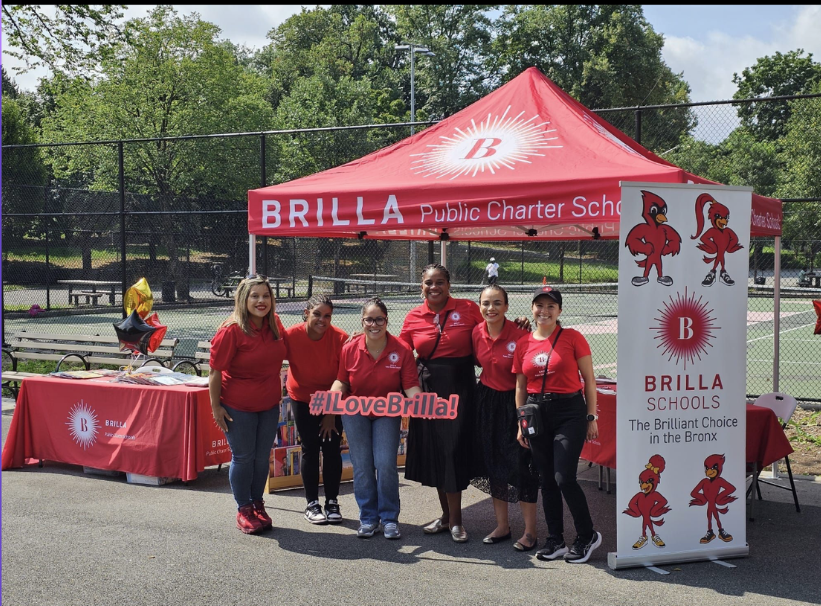
Yeime Valle, Executive Director of Brilla Schools Network, at an Enrollment Fair with Brilla Schools’ staff
At the end of the day, student attrition usually stems from their experience with your school community. To minimize it, you need to create an environment where families feel valued, supported, and excited to return year after year.
As you wrap up the semester and head into the holidays, keep in mind that the actions you take now—whether it’s communicating effectively, intervening when needed, or recovering lost connections—will not only minimize attrition and impact your next enrollment cycle but also strengthen your school community for the long term.
About the Authors
Vanessa Barry served as the Chief Operating Officer for KIPP Texas Public Schools, overseeing over 15 departments for the 59-school network. Prior to KIPP, she led IDEA Public Schools through exponential growth, expanding from 12 to 120 schools over 10 years, and pioneered marketing, enrollment, and community entry approaches now used nationwide.
Yeime Valle, Executive Director of the Brilla Public Charter Schools, has over 20 years of leadership in education and community development. She began as Director of Religious Education in a Bronx parish, overseeing programs for all ages and training parents and teachers. At Brilla and Seton schools, she served as Founding Operations Leader and later as Senior Network Director, where her leadership was crucial in expanding the network from one to seven schools.
This article is an excerpt from one of Seminar’s expert-led workshops. Seminar workshops provide actionable insights on the topics most relevant to charter school teams. Each workshop is crafted to offer practical templates and strategies, empowering you and your team with knowledge to thrive. Seminar workshops are available to Seminar Core Members.