
Winning the Lottery Isn’t Enough—How to Get Families to Enroll
Your team has worked hard to cultivate leads, guide families through the lottery process, and bring them to this moment. But securing a seat in the lottery isn’t the final step; it’s just the beginning of a much larger journey. The real challenge? Turning interest into commitment and ensuring that a significant number of accepted families follow through with enrollment.
I led a workshop with charter leaders in the Seminar Community focused on post-lottery enrollment strategies, exploring frameworks and event plans that have helped countless schools drive families to say “Yes” with confidence. Before diving into strategies for securing commitments, it’s important to first understand the common reasons families delay or decline enrollment.
The Post-Lottery Challenge: Why Families Delay or Decline
One of the biggest frustrations schools face is families who hesitate or fail to accept their seats after the lottery. While they may have expressed strong interest earlier in the process, several factors can cause hesitation:
- Competing Offers: In cities like New York, families often receive multiple offers and need time to weigh their options.
- Lack of Connection: Without meaningful engagement, families may not feel a strong tie to your school community.
- Uncertainty About Next Steps: If the enrollment process feels unclear or overwhelming, families may put off completing it, or disengage entirely.
Now that we understand why families might delay or decline enrollment, let’s talk about how to get ahead of some of the factors within our control, such as fostering connections and clarifying the next steps.
Building a Seamless and Engaging Onboarding Experience
Every parent wants to send their child to a school where they will thrive. Along the way, they pick up signals—both positive and negative—that influence their decision. Small but intentional actions can make all the difference in either reinforcing their excitement or causing them to hesitate.
We’ll walk through some best practices below, but the core idea is this: build purposeful, dynamic touchpoints—through in-person events, direct phone calls, and digital messaging—to create relationships, answer concerns, and generate excitement.
1. Host Two Key In-Person Engagements
Meeting school staff, experiencing the environment, and interacting with other families create a sense of belonging that digital communication alone can’t replicate. That’s why in-person engagements are among the strongest levers for securing enrollment.
Consider structuring your in-person events like this:
- Right after the lottery: Hosting an event soon after families receive their offers keeps momentum high and gives them a firsthand experience of your school community.
- Before the school year starts: A summer event—whether a casual meet-up, orientation, or community gathering—helps families stay engaged and reassured about their decision.
Some leaders in the workshop shared creative approaches, such as hosting museum meetups and playground playdates—simple but effective ways to welcome new families. Be reasonable about frequency but aim for monthly touch points.
2. Integrate New Families into Existing School Events
You don’t need to build new events from scratch. Instead, incorporate new families into activities that are already happening at your school. This helps them experience the school’s culture in action and form relationships before the first day.
Alexis at Coral Academy of Science Las Vegas, shared a great example of this: she invites new families to STEM Night and school-sponsored community events, such as fundraisers at local restaurants. These low-pressure gatherings create natural opportunities for families to engage.
3. Track Family Engagement to Identify Flight Risks
Not every family engages at the same level, and that’s a key indicator of retention likelihood. A simple tracking system can help monitor attendance at events, responses to emails, and completion of enrollment steps.
Families who engage across multiple touchpoints are far more likely to enroll, while those who are disengaged may need personalized outreach—like a phone call or direct event invitation—to reinforce their decision.
Elizabeth of DC Scholars Public Charter School recommended personally calling families who completed the lottery but didn’t rank the school as their first choice. A warm, direct conversation can help them feel personally welcomed and encouraged to enroll.
4. Involve the Right Messengers
Your school’s most compelling voices may not always be the ones you’d expect. While operations directors and enrollment staff handle logistics, consider leveraging teachers, student ambassadors, and current parents as key voices in enrollment conversations.
These trusted messengers can speak authentically about the school’s impact, addressing family concerns in a relatable way. Brigette from Classical Academies also shared a unique approach—using student-led podcasts to amplify student voices while giving prospective families a glimpse into the kind of growth their children could experience in the school community.
Next Steps
The period between the lottery and the first day of school is a crucial window to start building a community where families feel welcomed, informed, and excited to commit. Small, intentional shifts in strategy during this time can lead to major enrollment wins.
For those looking for a structured approach, the New Family Onboarding Planner—in the Seminar Toolbox—outlines key milestones and engagement strategies from the lottery announcement through the first day of school. This tool can help teams plan meaningful interactions and track family participation.
About the Author
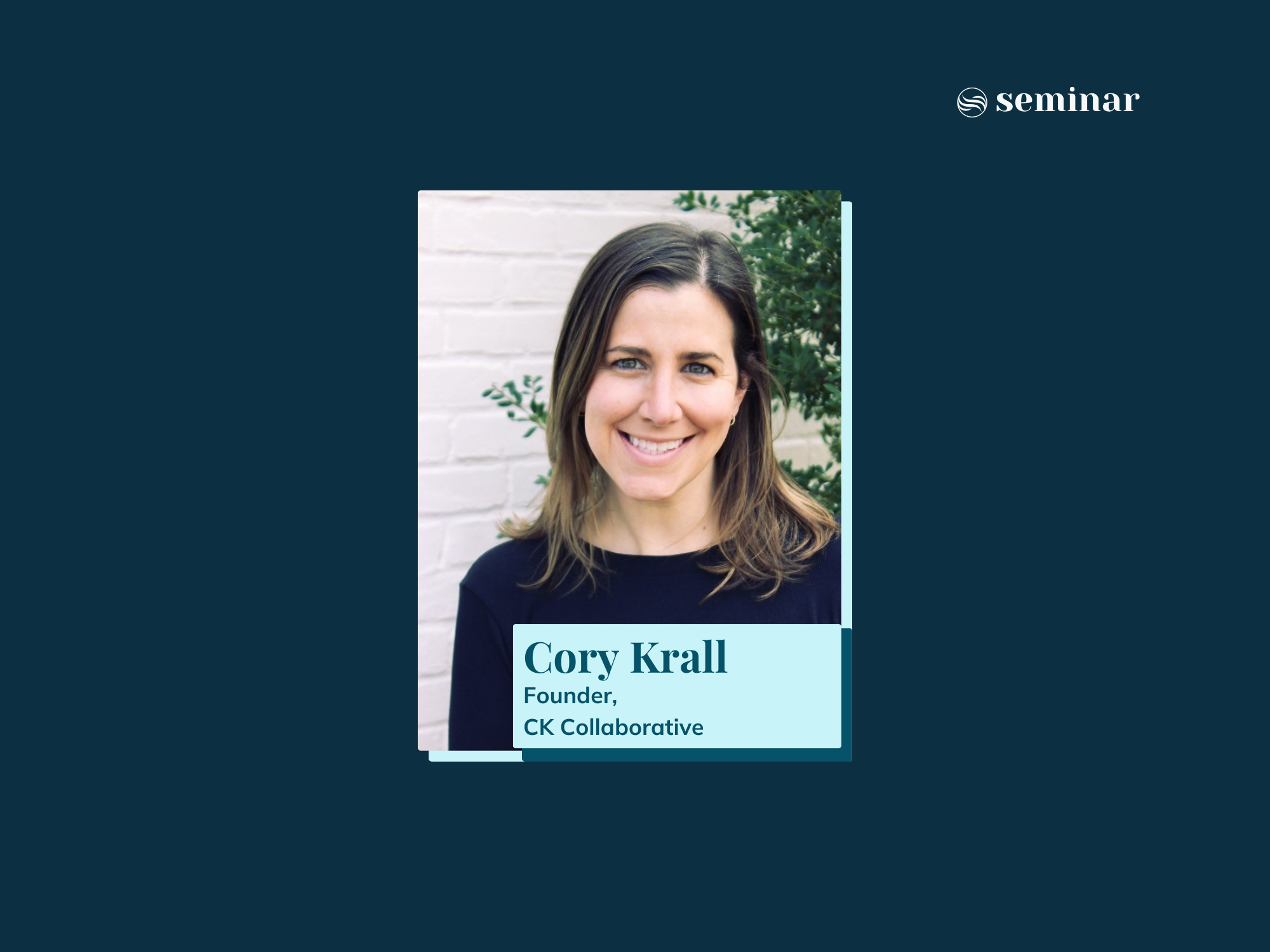
Cory Krall is the founder of CK Collaborative, which partners with organizations to provide student recruitment solutions, team coaching, and scalable systems. Before starting CK Collaborative, Cory spent years developing the enrollment and outreach strategy for a mid-sized charter network in New York City and has supported many schools across the country by leveraging her systems, templates, and best practices that help fill seats. She coaches staff responsible for leading this work and assists teams in refining their approaches to attracting new families.
This article is an excerpt from one of Seminar’s expert-led workshops. Seminar workshops provide actionable insights on the topics most relevant to charter school teams. Each workshop is crafted to offer practical templates and strategies, empowering you and your team with knowledge to thrive. Seminar workshops are available to Seminar Core Members.